Health and Safety Policy for Deep Cleaning Ealing
 Deep Cleaning Ealing services are delivered with a clear commitment to health, safety, and professional standards. Our approach is designed to protect cleaning operatives, clients, occupants, and anyone else who may be affected by our work. We recognise that deep cleaning often involves intensive methods, specialist products, and access to hard-to-reach areas, so careful planning and control measures are essential.
The purpose of this policy is to set out how deep cleaning services in Ealing are carried out safely and responsibly. It applies to all staff, supervisors, and subcontractors involved in cleaning activities. Every task must be completed in a way that reduces risk, prevents harm, and supports a clean and healthy environment.
We aim to maintain a working culture where safety is not treated as an extra step but as part of every action. This includes identifying hazards before work begins, using suitable equipment, and ensuring that all procedures are followed consistently. Our deep cleaning policy is reviewed regularly so that it remains practical, effective, and aligned with best practice.
All cleaning assignments are subject to a risk assessment before work starts. This assessment considers the condition of the site, the surfaces to be cleaned, the chemicals required, ventilation, possible slip hazards, and any special access issues. Where risks cannot be removed completely, they are reduced through safe systems of work, supervision, and the right protective equipment.
Staff must be trained to recognise hazards and to act appropriately if a risk changes during the job. In deep cleaning operations, conditions can shift quickly, especially where water, steam, detergents, or machinery are involved. For that reason, safe working practices are expected at all times, including careful movement, proper storage of materials, and correct handling of tools and cleaning agents.
We also place strong emphasis on communication. Before and during a task, operatives should confirm the scope of the work, identify restricted areas, and report any issues that may affect safety. Good communication supports efficient deep cleaning Ealing operations while helping everyone remain aware of what is happening on site.
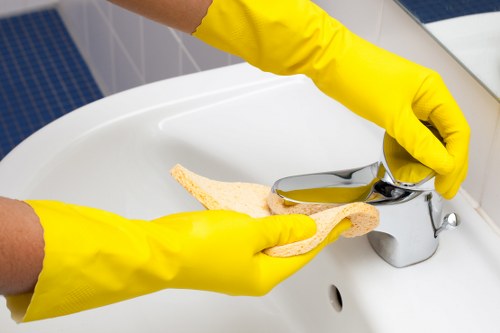
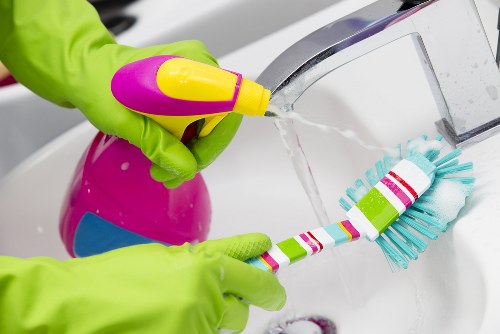
 Personal protective equipment is required whenever the risk assessment shows it is necessary. This may include gloves, masks, eye protection, non-slip footwear, and protective clothing. PPE must be used properly, kept in good condition, and replaced when damaged or no longer effective. Staff are expected to understand when each item is needed and how to wear it correctly.
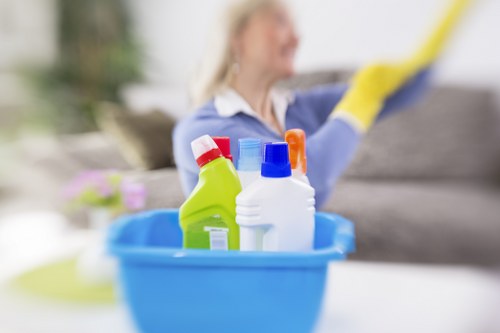
Chemical safety is a key part of this policy. Cleaning products are selected for their suitability, and only approved materials may be used. Labels and instructions must be read before use, and chemicals should never be mixed unless the manufacturer clearly states it is safe to do so. All substances must be stored securely, handled with care, and disposed of in line with safe procedures.
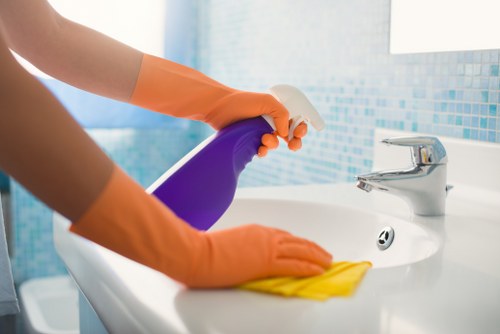
Where possible, we choose cleaning methods that reduce exposure to unnecessary hazards. For example, we may use controlled application techniques to limit splashing or aerosol spread. This supports a more responsible deep-cleaning service while protecting both workers and building users from avoidable risks.
Equipment safety is also essential. Machines, extensions, and accessories must be checked before use to ensure they are in working order. Damaged items must not be used. Cables should be positioned to avoid trips, and equipment should only be operated by trained personnel. Regular inspection helps prevent breakdowns and reduces the likelihood of injury.
 A major focus of our policy is preventing slips, trips, and falls. Deep cleaning often involves wet floors, moved furniture, and temporary changes to room layouts. Warning signs, controlled access, and tidy work areas are used to manage these risks. Operatives must remain alert and ensure that pathways are kept as clear as possible throughout the cleaning process.
Manual handling must be carried out carefully to avoid strain or injury. Staff should assess the weight, shape, and position of any item before lifting or moving it. If something is too heavy or awkward, assistance or mechanical support should be used. Good posture, planning, and teamwork are important parts of safe deep cleaning operations.
Fire safety and emergency response are built into all procedures. Staff must know how to respond to alarms, hazardous spills, and injuries. Emergency exits must be kept clear, and cleaning materials must never obstruct escape routes. In the event of an incident, work should stop immediately and the appropriate reporting process must be followed.
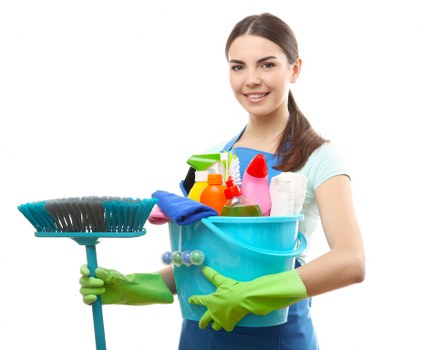
Hygiene control is another important objective. Deep cleaning is often requested in areas where sanitation standards are especially important, so cross-contamination must be avoided. Colour-coded tools, separate cloths for different areas, and proper cleaning sequences help prevent the spread of dirt and contamination. These measures are part of our commitment to safe and effective deep cleaning.
Supervision plays an important role in maintaining standards. Team leaders are responsible for checking that procedures are followed, that equipment is used correctly, and that operatives understand any site-specific precautions. Where additional support is needed, tasks may be paused until the issue has been resolved. Safety always takes priority over speed.
 Every employee has a responsibility to report hazards, near misses, accidents, and unsafe conditions. Reporting allows action to be taken quickly and helps prevent recurrence. We encourage open reporting so that concerns can be addressed without delay and lessons can be learned from each situation.
Training and competence are essential to our health and safety standards. New staff receive induction training, and all team members are provided with ongoing instruction relevant to their duties. Training covers safe use of products, equipment handling, risk awareness, emergency procedures, and good hygiene practices. This helps ensure that deep cleaning Ealing work is completed to a consistently high standard.
We also expect all work to respect the environment in which it is carried out. That means using resources efficiently, reducing waste where practical, and selecting cleaning methods that are suitable for the task. A well-managed deep cleaning service in Ealing should leave the area clean, safe, and ready for normal use without causing unnecessary disruption.
Deep Cleaning Ealing is committed to continuous improvement in health and safety. This policy is monitored and updated when required to reflect operational experience, product changes, and improvements in safe practice. By keeping standards under review, we aim to provide reliable cleaning services that protect people and support healthier spaces.
 Everyone involved in our work is expected to contribute to a safe environment by following procedures, staying alert, and taking reasonable care for themselves and others. Through careful planning, proper training, and consistent attention to risk control, our deep cleaning policy helps ensure that each job is completed responsibly and professionally.