Deep Cleaning in Ealing
If your home or business in West London needs more than a routine tidy-up, deep cleaning in Ealing can make a noticeable difference. From busy family homes near Ealing Broadway to period flats, shared houses, and commercial premises across the borough, a proper deep clean tackles the places that everyday cleaning often misses. It is the sort of service people arrange when dust has built up, a tenancy is ending, a property has been empty, or a fresh start is needed after renovation, illness, a busy season, or simply a long stretch without a thorough reset.
Local customers often look for a deep cleaning service that is practical, flexible, and suited to the realities of Ealing properties. That might mean working carefully around narrow staircases, top-floor flats, limited parking, residents’ permits, busy roads, or buildings with shared entrances. It can also mean understanding the different needs of Victorian terraces, modern apartments, family homes, offices, shops, studios, and hospitality spaces. A good local service is not just about cleaning harder; it is about cleaning smarter, with the right equipment, the right approach, and attention to the details that matter in real homes and workplaces.
Whether you need a one-off spring clean, a post-renovation refresh, or a targeted hygienic clean for kitchens, bathrooms, or high-contact areas, this page explains what is involved, what to expect, and how to decide if the service is right for your property. If you are ready to restore order and make your rooms feel properly looked after, request a free quote or book your service now.
What Deep Cleaning Means for Ealing Properties

Deep cleaning is a detailed cleaning service designed to reach beyond the surface. It focuses on removing built-up dirt, grime, grease, dust, and residue from areas that are often skipped in regular upkeep. For many Ealing customers, it is the difference between a property that looks “clean enough” and one that feels genuinely refreshed. It is especially useful for homes with children or pets, busy shared accommodation, rental properties between tenancies, and businesses that need a more thorough standard of hygiene.
In practical terms, a deep clean often includes thorough attention to kitchens, bathrooms, skirting boards, fixtures, fittings, reachable ledges, doors, frames, switches, and neglected corners. It may also include detailed cleaning of appliances, tile grout, cupboard fronts, extractor areas, and other spots where dirt tends to settle over time. In older Ealing houses, for example, mouldings, dado rails, and period features can collect dust in fine detail; in newer flats, high-gloss surfaces, tiled bathrooms, and open-plan living spaces can show streaks and marks more easily. The service adapts to the property rather than using a one-size-fits-all approach.
Local relevance matters because Ealing is varied. A family home in Northfields may need different attention from a compact apartment near South Ealing station. A retail unit in central Ealing may need cleaning around customer-facing areas and back-of-house spaces, while an office in West Ealing may need a service scheduled around working hours. A local team understands these differences and can plan the work in a way that is efficient, discreet, and suited to the building layout.
When Customers Usually Book a Deep Clean

People arrange a deep clean for many reasons, and not all of them involve moving house. In fact, one of the most common reasons is simply that regular cleaning has not kept up with the demands of a busy lifestyle. Kitchens can build up grease around cooking zones, bathrooms can develop limescale and soap residue, and dust can settle in less visible areas such as behind furniture, around radiators, and along edges. A deep clean resets those areas so the property feels more manageable again.
End of tenancy situations are another common trigger. Landlords, tenants, and letting agents in Ealing often need a property cleaned thoroughly before handover, especially where a home has been heavily used or occupied for a long period. Likewise, after a refurbishment, there may be fine construction dust on surfaces, inside cupboards, on windowsills, and around vents. Even after the builders have finished, the property may not feel ready to live in until that dust and residue has been properly removed.
There are also many commercial reasons to book deep cleaning in Ealing. Offices may need a reset after an intense period of use, while cafés, salons, clinics, and shared workspaces often require a more detailed clean to maintain a professional standard. Some business owners prefer a one-off visit before a busy season, after redecorating, or before re-opening a room that has been out of use. Whatever the reason, a well-planned service helps create a cleaner, more comfortable environment for staff, customers, and visitors.
Typical situations include:
- Pre-tenancy or end-of-tenancy cleaning
- Spring cleaning after a long period of neglect
- Post-renovation or post-builder cleaning
- Cleaning after illness, disruption, or a household change
- Preparing a property for sale or viewings
- Cleaning shared homes or HMOs
- Refreshing offices, retail units, and other commercial premises
What Is Included in a Deep Cleaning Service?
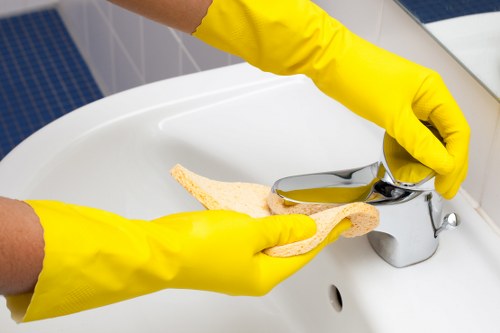
The exact scope can vary depending on the size and condition of the property, but a proper deep clean should always be far more detailed than a standard weekly visit. For many Ealing customers, the value lies in the little things: the buildup around taps, the grease behind a cooker, the dust on skirting boards, or the marks around handles and light switches. These details are easy to miss during routine cleaning and can make a space feel tired even when it is otherwise tidy.
A thorough service usually focuses on high-use areas first. Kitchens and bathrooms often receive the most intensive work because they accumulate dirt, limescale, soap scum, and germs faster than other rooms. Living rooms, bedrooms, hallways, and communal areas then receive detailed dusting and surface work, often including edges, corners, door frames, and other touchpoints. The aim is not just to make a property look neat, but to leave it feeling properly refreshed.
Depending on the property and booking requirements, deep cleaning in Ealing may include:
- Thorough dusting of surfaces, fixtures, and fittings
- Cleaning skirting boards, doors, frames, and handles
- Kitchen detailing, including cupboards, splashbacks, and appliance exteriors
- Bathroom scrubbing, including sinks, toilets, showers, tiles, and taps
- Removal of limescale, soap scum, and surface grime where accessible
- Vacuuming and mopping floors
- Cleaning reachable areas behind and around furniture where access allows
- Wiping switches, sockets, ledges, and high-contact points
- Internal glass and mirror cleaning where included
- Attention to corners, edges, and other build-up zones
For some jobs, extra tasks may be added, such as oven detailing, fridge cleaning, inside cupboard cleaning, or more intensive bathroom treatment. It is always sensible to discuss the condition of the property in advance so the service can be matched to the actual work needed.
Why Deep Cleaning in Ealing Needs a Local Approach

Ealing is a diverse part of West London, and properties here are not all built or used in the same way. That matters when it comes to cleaning. A large family home near Pitshanger can present different challenges from a split-level flat in a converted house. A modern apartment may have large windows, compact bathrooms, and built-in storage, while older properties may feature more ornate surfaces, older fittings, and harder-to-reach detail. A local team is better placed to understand those differences and work efficiently within them.
Access is one of the biggest practical considerations. Around Ealing Broadway, parking can be restricted and traffic can affect arrival times. In some residential streets, access may involve permits, loading restrictions, or carrying equipment up multiple floors. Local cleaners familiar with the area are used to planning around these realities. That saves time, reduces hassle, and helps the visit run smoothly from start to finish. If you live in a building with shared entrances, concierge access, or narrow hallways, it helps to work with a team that understands how to move carefully and respectfully through the property.
Local experience also improves communication. Customers often want a clear idea of what will be cleaned, how long it may take, and whether anything needs preparing beforehand. A nearby service can be more responsive, more flexible, and easier to schedule around your day. That is especially helpful for landlords, tenants, office managers, and busy households who need the work done at a convenient time without disruption.
Common Ealing property types that benefit from deep cleaning:
- Victorian and Edwardian terraces
- Converted flats and maisonettes
- Modern apartment blocks
- Family homes with heavy daily use
- Shared accommodation and HMOs
- Offices, studios, and co-working spaces
- Retail shops and customer-facing units
How the Service Usually Works

A clear process helps customers know what to expect and reduces stress on the day. Deep cleaning services are usually arranged after a short assessment of the property, the rooms involved, and the level of detail needed. For many customers in Ealing, the first step is simply explaining what has built up, which areas are most important, and whether there are any special access or timing needs. This might include stair access, parking instructions, alarm codes, building entry arrangements, or whether the property is occupied during the clean.
Once the job is booked, the cleaning team arrives with the appropriate equipment and cleaning materials for the task. They then work methodically through the agreed rooms, starting with the most demanding areas and moving through the property in a logical order. In many cases, kitchens and bathrooms take the most time because they need detailed attention. Other rooms are then dusted, wiped, vacuumed, and mopped, with extra focus on visible surfaces and overlooked edges.
Before the team leaves, it is normal to check the cleaned areas and make sure the service has covered the agreed tasks. If the job is for a tenancy handover, post-build refresh, or business opening, it can help to walk through the key rooms in advance so priorities are clear. The best outcomes usually come from honest communication about condition, access, and expectations. Contact us today if you want to arrange a deep clean that fits your timetable and property type.
Typical stages include:
- Initial enquiry and discussion of the property’s condition
- Confirmation of scope, rooms, and any special requirements
- Scheduling at a suitable time for the customer
- Arrival with suitable equipment and supplies
- Detailed cleaning of the agreed areas
- Final check and completion of the service
Areas of the Property That Often Need Extra Attention
Some parts of a property are simply more demanding than others. Kitchens, for example, collect grease, splashes, food residue, and fingerprints that build up gradually around hobs, splashbacks, cupboard handles, and appliance surfaces. Even in homes where cooking is only moderate, these areas can look dull over time. Bathrooms are another common focus because they develop limescale, soap residue, and damp-related marks on tiles, taps, glass, and fittings.
In living spaces and bedrooms, the challenge is often dust. It settles on shelves, skirting boards, light fittings, curtain rails, windowsills, and other surfaces that might be cleaned only quickly during a regular visit. Hallways and stairs can also show wear more quickly because they are high-traffic areas. For commercial customers in Ealing, reception areas, meeting rooms, staff kitchens, washrooms, and customer-facing spaces often need extra care because they affect first impressions.
Sometimes the most important work is not in the most obvious place. Behind appliances, along the base of cupboards, around bin areas, under radiators, and near door hinges or frames can all collect dirt and dust. A proper deep cleaning service pays attention to these awkward spaces wherever access allows. That is where a local, detail-focused service often proves its value, especially in properties where regular upkeep has been difficult to maintain.
Extra-focus areas often include:
- Kitchen grease zones and splash areas
- Shower screens, taps, and bathroom grout
- Skirting boards and corners
- Door handles, switches, and contact points
- Appliance exteriors and surrounding surfaces
- Windowsills, ledges, and accessible frames
- Shared-use spaces in flats, houses, and workplaces
Preparation Checklist Before Your Clean
A little preparation can make the visit smoother and help the team focus on the deep-cleaning work itself. You do not need to turn the property upside down, but simple steps can improve efficiency and avoid delays. If you are in a busy Ealing road or a building with limited access, it is especially helpful to have entry details and parking instructions ready in advance. That makes arrival easier and can reduce wasted time.
If the property is occupied, moving personal items off surfaces can help cleaners work more thoroughly. Clearing sinks, kitchen counters, bedside tables, and bathroom shelves gives better access to the areas that need attention. It also helps to mention any fragile items, valuables, or rooms that should not be entered. If you have pets, let the team know how the household is arranged so suitable care can be taken around them.
Simple preparation steps:
- Remove personal items from worktops and accessible surfaces
- Put away valuables and important documents
- Share access instructions for flats, gates, and shared entrances
- Arrange parking details if the area has restrictions
- Point out problem areas that need extra attention
- Let the team know about pets, alarms, or building rules
- Make sure water and electricity are available if needed for the job
For tenants and landlords
If you are preparing for a move, aim to clear the property as much as possible before the service starts. Empty kitchens and bathrooms are much easier to detail thoroughly. Landlords in Ealing often find that a deeper clean between occupancies helps present the property more professionally and can reduce the time needed to prepare for new tenants.
For businesses
Business customers may want the clean scheduled outside trading hours, before an opening day, or during quieter periods. It helps to identify priority zones in advance so the work can be focused where it matters most, such as customer entrances, staff facilities, or back-of-house preparation areas.
Pricing Factors and What Affects the Quote
Many customers want to know what affects the cost before they book. While exact prices are not listed on this page, the quote for a deep clean usually depends on several practical factors. The size of the property is one of the biggest considerations because more rooms mean more time and materials. Condition is another major factor: a lightly used flat will usually need less work than a property with heavy build-up, post-construction dust, or long-neglected areas.
Access can also influence the final quote. For example, a top-floor flat without lift access, a property with difficult parking, or a building with strict entry procedures may take longer to service. Likewise, add-ons such as internal oven cleaning, fridge cleaning, cupboard interiors, or extra bathroom work may increase the overall scope. Commercial spaces can vary widely too, depending on the number of rooms, footfall, and the type of surfaces involved.
That is why a tailored quotation is usually the best approach. It gives customers in Ealing a clearer idea of what is included and avoids awkward surprises later. If you want a service matched to your property rather than a generic package, request a free quote and explain the areas you want prioritised.
Common quote factors include:
- Property size and number of rooms
- Level of dirt, grease, dust, or residue
- Whether the property is furnished or empty
- Accessibility and parking conditions
- Required extras such as appliance detailing
- Residential or commercial use
- Urgency and preferred booking time
Why Choose a Local Deep Cleaning Company in Ealing?
There are several reasons local customers prefer a nearby cleaning team rather than a distant provider. First, local knowledge helps with planning. Ealing has busy transport corridors, controlled parking zones, mixed property layouts, and different access conditions from street to street. A team that regularly works in the area is more likely to arrive prepared and avoid unnecessary delays. That is valuable when you need the clean completed on time, especially for property handovers or business openings.
Second, local services are often better suited to the kinds of properties found in the area. Ealing includes elegant older homes, converted buildings, modern developments, and busy commercial premises. Each of these needs a slightly different approach. A local company is more likely to understand how to work around small hallways, tight staircases, shared communal areas, and the practical limits of certain buildings.
Third, customers often want a service that feels straightforward and responsive. Being local usually makes communication easier when you need to adjust the booking, clarify access, or discuss the scope. It also helps when you are balancing family routines, office schedules, or tenancy deadlines. A nearby team can often offer a more personal service without unnecessary complexity.
What many customers value most:
- Practical experience with Ealing property types
- Better understanding of parking and access challenges
- Flexible scheduling for homes and businesses
- Clear communication about the work involved
- A service tailored to the condition of the property
Residential and Commercial Deep Cleaning in Ealing
Residential deep cleaning is often about comfort, hygiene, and reclaiming time. For households, it can be a relief to hand over the heavy work and know that neglected areas are being given proper attention. Families, in particular, often appreciate the chance to reset kitchens, bathrooms, and living rooms after a busy period. For renters and homeowners alike, it can make a property feel more manageable and pleasant to live in.
Commercial deep cleaning, by contrast, is often about presentation and operational standards. Offices need clean workspaces that support staff comfort and a professional impression. Shops, salons, medical-adjacent premises, and hospitality venues often need detailed cleaning in customer areas and staff spaces alike. In Ealing, where businesses serve a wide range of local residents, keeping the environment fresh and well maintained can support day-to-day confidence and smooth operations.
Some customers need one-off support, while others want a deep clean ahead of recurring maintenance visits. Either way, the benefit is the same: a stronger starting point. Once a property has been thoroughly cleaned, regular upkeep becomes easier and more effective. That is one reason deep cleaning often works well as a reset before a more routine schedule begins.
Frequently Asked Questions
How is deep cleaning different from regular cleaning?
Regular cleaning focuses on keeping a property tidy and manageable on an ongoing basis. Deep cleaning goes further by targeting built-up grime, neglected corners, detailed bathroom and kitchen work, and the places that routine visits may not fully cover. It is more intensive and usually takes longer.
Do I need to be at home during the service?
That depends on your preference and access arrangements. Some customers stay on site, while others arrange entry and return when the clean is complete. For flats, shared buildings, or business premises, clear access instructions are helpful either way.
Can you deep clean a furnished property?
Yes, many deep cleaning jobs are carried out in furnished homes and occupied properties. The team will work around furniture and belongings as access allows. If a room has delicate or valuable items, it is useful to mention them beforehand.
What about parking and access in Ealing?
Ealing can involve resident permits, restricted bays, narrow streets, and busy roads, especially near central areas and transport hubs. If parking or entry is tricky, share the details early so the visit can be planned properly.
Can I book a deep clean before moving in?
Yes. Many customers prefer a clean before moving into a new home, particularly if the property has been empty, previously rented, or recently refurbished. A pre-move clean can make the first day in a new property feel far more comfortable.
Do you clean offices and small businesses?
Yes. Offices, studios, retail units, salons, and other commercial properties often benefit from a one-off deep clean. The service can be adapted to the type of premises and the hours that suit your business best.
Book Deep Cleaning in Ealing With Confidence
If your property needs more than a surface tidy, a professional deep clean can restore a much better standard of freshness and hygiene. It is a practical choice for homes, rental properties, and workplaces across Ealing, especially where everyday cleaning has not been enough to keep up with the pace of life. By choosing a local team, you get a service that understands the area, the buildings, and the realities of access, parking, and scheduling.
Whether you are preparing for a move, freshening up after building work, managing a busy family household, or getting a workplace ready for staff and customers, the right service can save time and reduce stress. Contact us today to discuss your property, ask about the areas you want prioritised, and book your service now with a team that works locally and knows how to handle the job properly.
For a cleaner, fresher, and more welcoming space in Ealing, a detailed deep clean is often the most effective place to start.